
It's one of the most common questions homeowners in New Jersey ask after noticing a leak, missing shingles, or an aging roof: do I need a full roof replacement, or can I get away with a repair? The honest answer is that it depends on several factors — the age of the roof, how widespread the damage is, the condition of the underlying structure, and whether the problems are isolated or systemic. Getting this call right matters because an unnecessary replacement is an expensive overcorrection, but repeated repairs on a roof that's past its useful life are money spent on borrowed time. Here's how to think through it before you call a roofing contractor.
The Age of Your Roof Is the Starting Point
Most asphalt shingle roofs in New Jersey have a lifespan of 20 to 30 years, depending on the quality of the material, the ventilation of the attic, and how well the roof has been maintained. If your roof is under 15 years old and the damage is isolated — a few missing shingles, a failed pipe boot, or localized storm damage — a targeted repair is almost always the right call. If it's over 20 years old and you're seeing multiple problem areas develop, even if none of them feel urgent on their own, that pattern typically indicates the roof is approaching the end of its effective lifespan. At that point, continued repairs become increasingly inefficient and a replacement starts to make more financial sense.
What the Inspection Will Tell You
A roofing contractor worth calling will not give you a replacement or repair recommendation over the phone. They'll get on the roof. What they're looking for is the condition of the shingles, the decking beneath them, the flashing at all penetrations and transitions, and the ventilation system. Granule loss on shingles — the rough texture that protects the asphalt from UV degradation — accelerates significantly in the last years of a roof's life, and heavy granule loss visible in your gutters is a reliable indicator that the surface material is failing broadly. Soft spots or visible sagging when walking on the roof often indicate decking damage below, which changes the scope and cost calculation significantly.
When Repairs Make Sense vs. When They Don't
A repair makes sense when the damage is isolated, the rest of the roof is in solid condition, and the repair addresses the actual source of the problem rather than a symptom. Replacing a few shingles over a leak without addressing the failed flashing beneath them, for example, will not solve the leak — it'll just delay the next call. A replacement makes sense when damage is widespread, when the roof is near or past its expected lifespan, when the decking is compromised, or when repeated repairs have been needed over a short period. Your roofing contractor should be able to show you the evidence for their recommendation — photographs of the decking, flashing, and surface — not just quote you a number.
How Storm Damage and Insurance Claims Affect the Decision
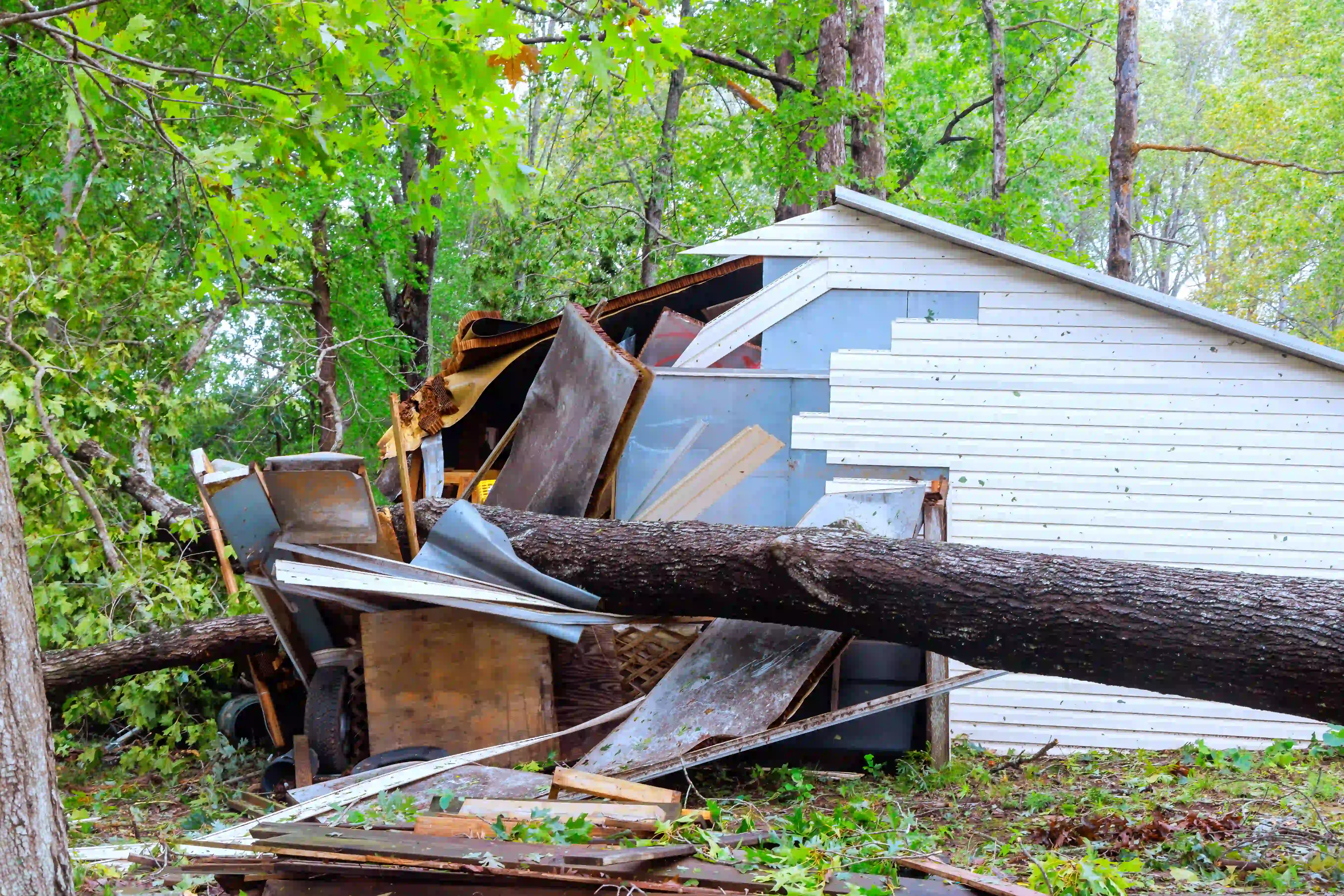
Storm damage complicates the repair-vs-replacement question in an important way. If a hail storm or nor'easter caused significant damage to a roof that was otherwise in good shape, your homeowner's insurance may cover a full replacement even if only a portion of the surface was directly damaged — because matching replacement material to existing aged shingles is often not possible. A roofing contractor who works with insurance claims can document the damage accurately and help ensure your claim reflects the full scope of what's needed. It's worth understanding your policy before you make the repair-vs-replacement decision, because in storm damage situations the insurance coverage sometimes shifts the math entirely.